

![Kral [Karabash x Kira] | Kangal](https://unitedpetclub.blob.core.windows.net/tenants/11111111-1111-1111-1111-111111111111/img/ec3678fa-ed46-4e79-b70a-73bfcd15f791.jpg "Kral [Karabash x Kira] | Kangal")
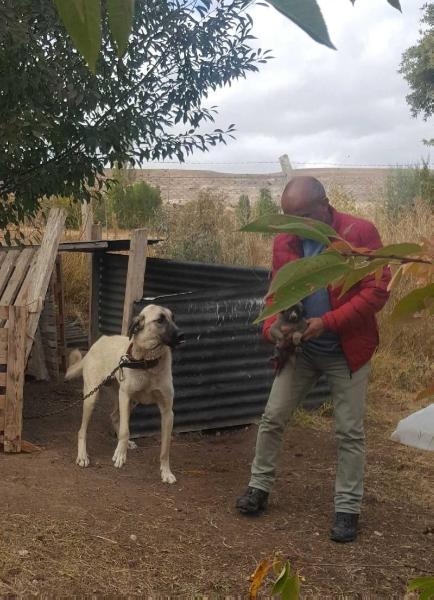
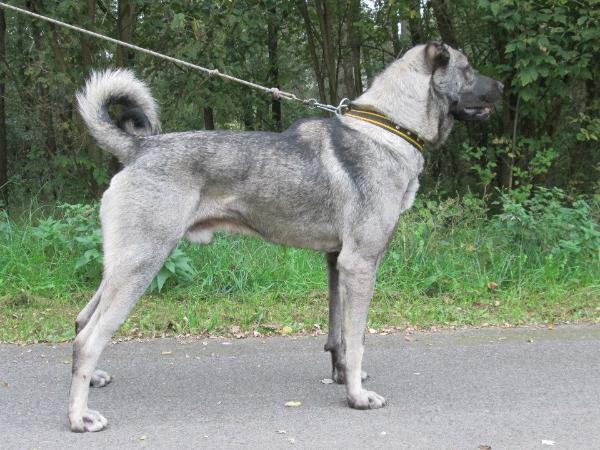
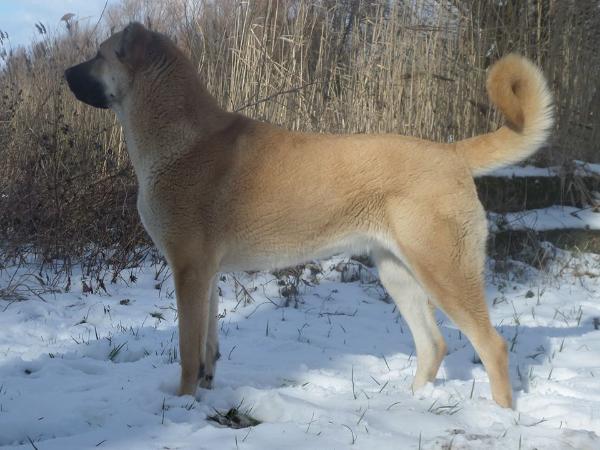
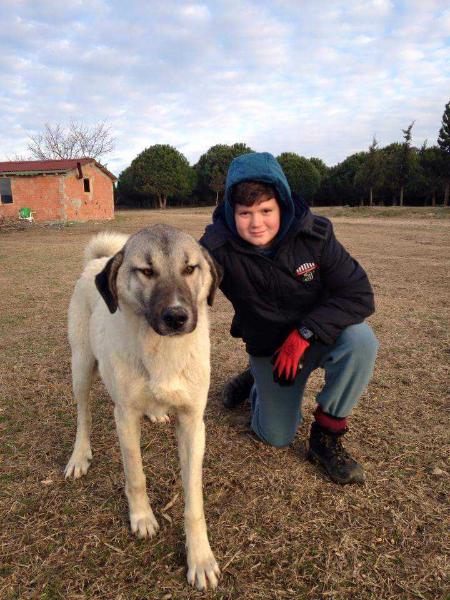
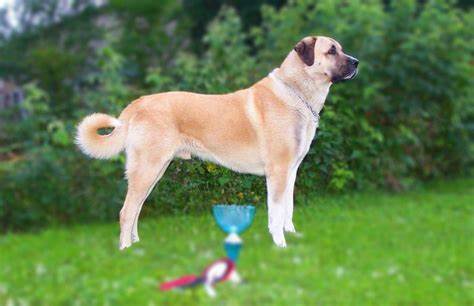
The Kangal Shepherd Dog, also known simply as the Kangal or Central Anatolian Shepherd Dog, hails from the Sivas province of central Turkey. It was traditionally bred by Turkish shepherds as a powerful, loyal, and fearless livestock guardian, capable of defending flocks against formidable predators such as wolves, jackals, and even bears.
The breed’s lineage traces back several centuries, likely developing from ancient mastiff-type dogs native to the Anatolian plateau. Due to its utility and protective nature, the Kangal became a cultural icon in Turkey, often celebrated in folklore and rural life. Today, it is recognized by the Turkish Kennel Club and the Fédération Cynologique Internationale (FCI) under its own distinct classification.
In its homeland, the Kangal is a beloved and respected working dog. Internationally, it has earned recognition for its incredible guardian instincts and calm demeanor with its family. Although not a common household pet due to its size and guarding drive, the Kangal has a dedicated following among ranchers, farmers, and breed enthusiasts.
In the U.S. and U.K., the breed is sometimes confused with the Anatolian Shepherd Dog—a closely related but now considered separate breed.
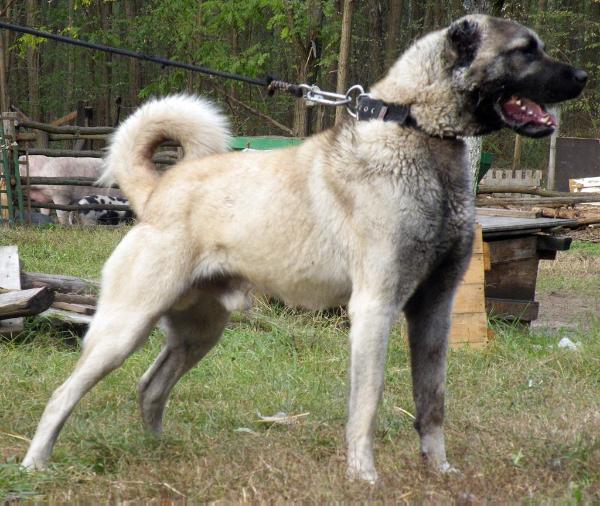
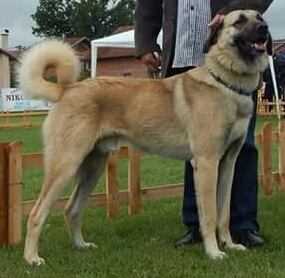
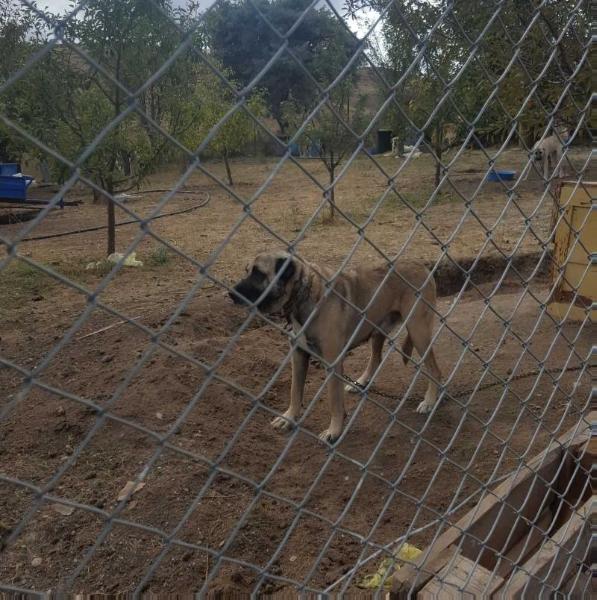
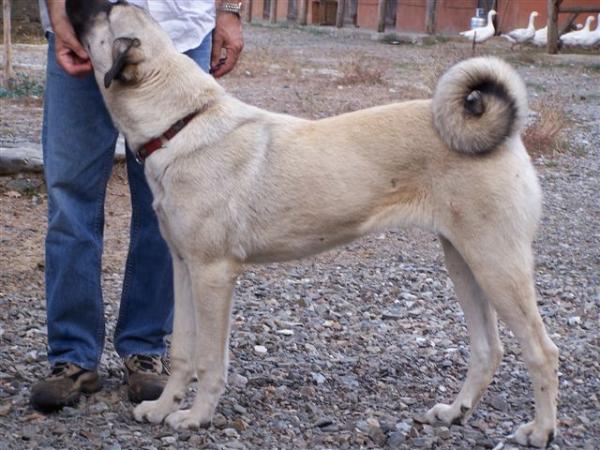
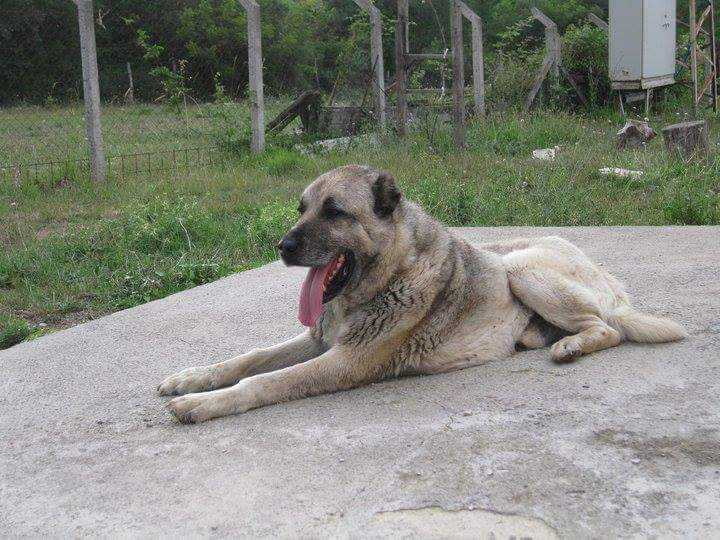
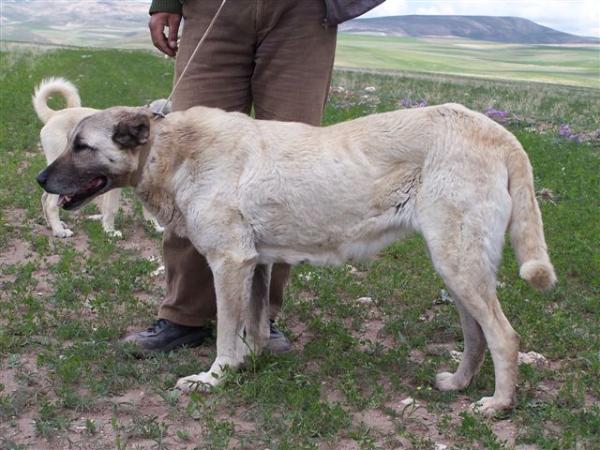
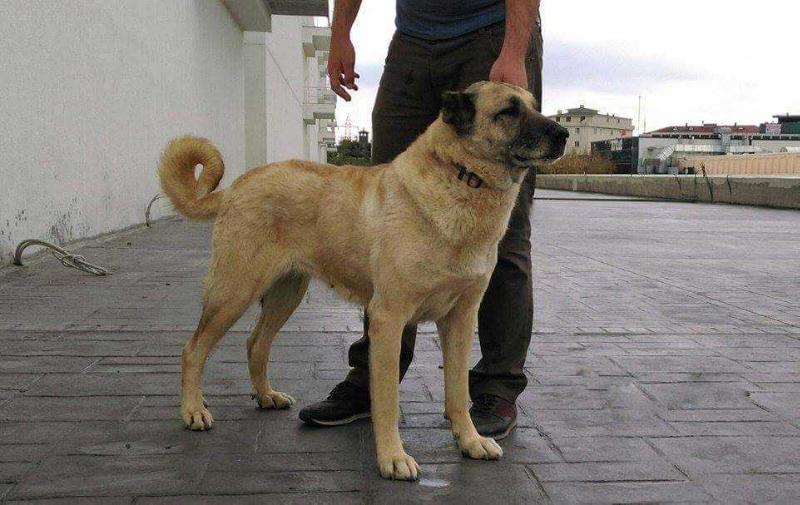
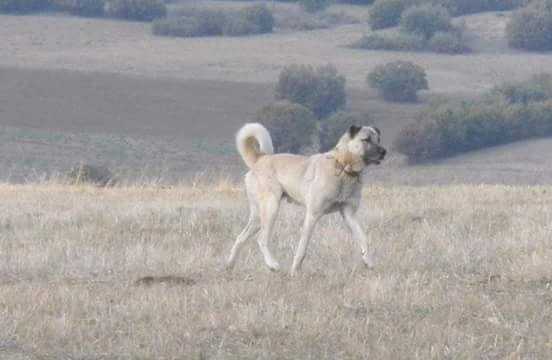
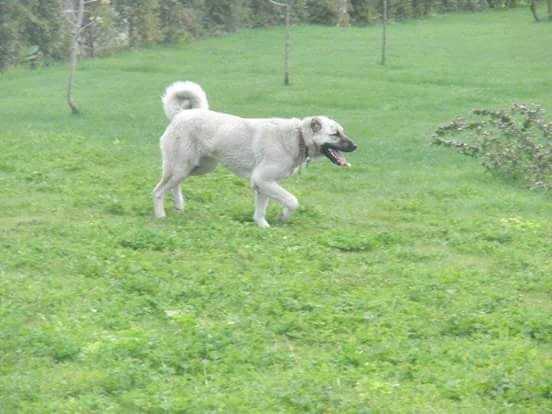
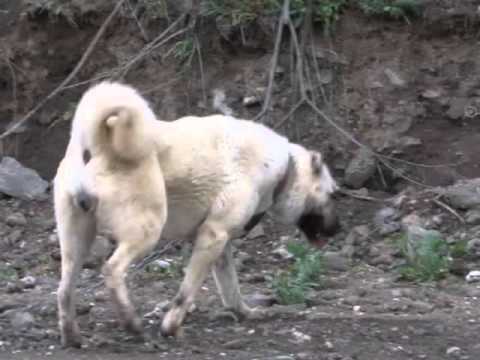
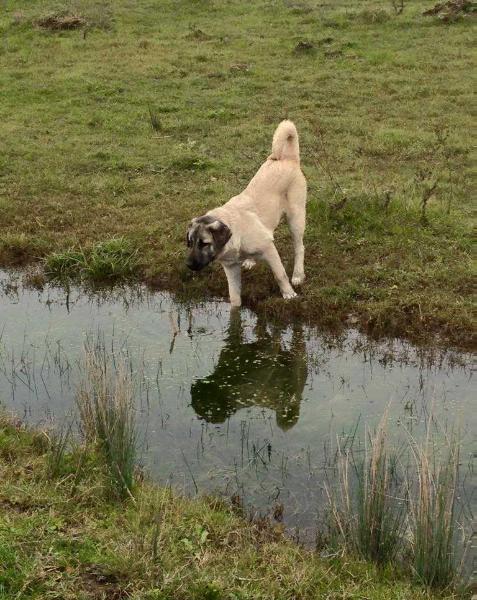
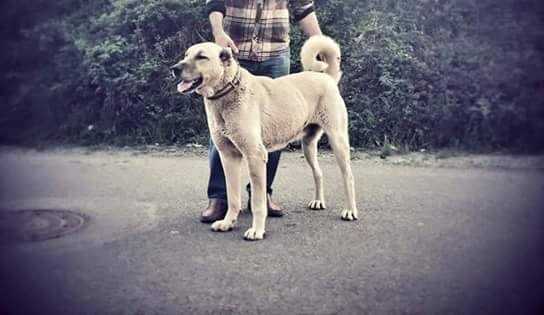
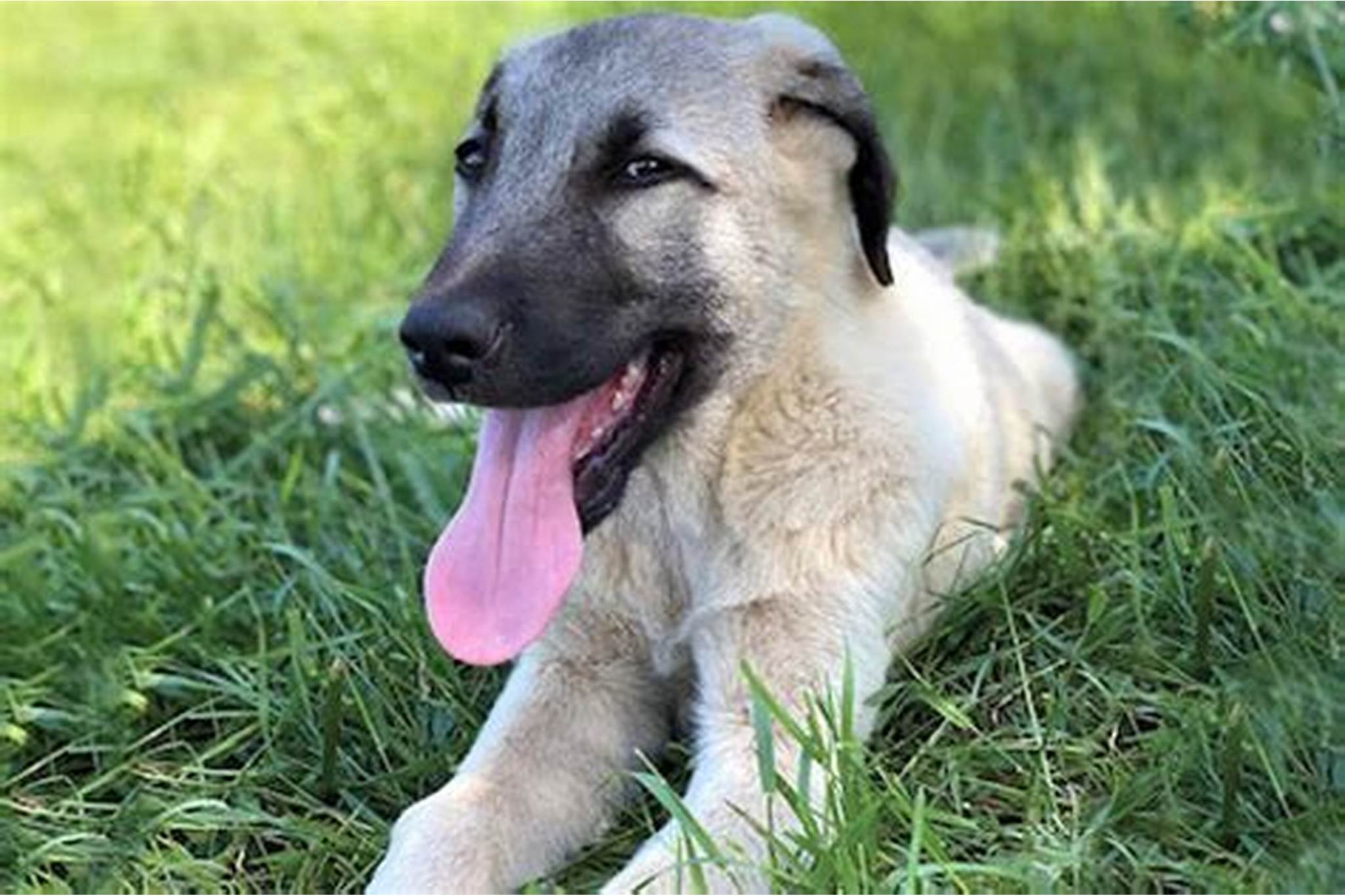
Kangals are large, rugged dogs, built for endurance and strength in harsh terrains. Their appearance is both powerful and graceful.
Coat: Short to medium-length double coat that provides insulation against extreme temperatures.
Color:
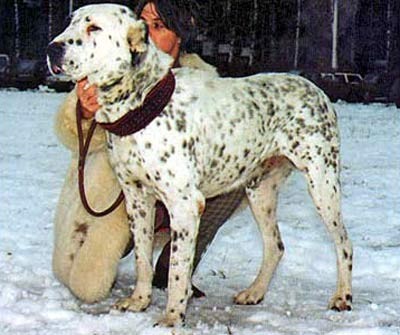
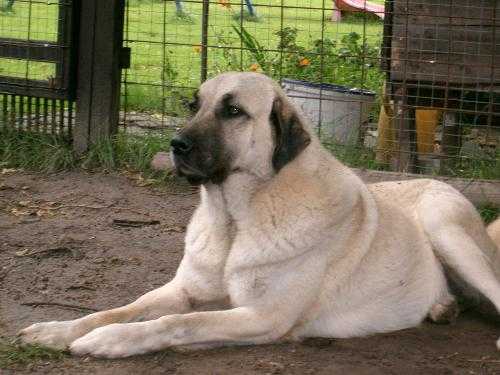
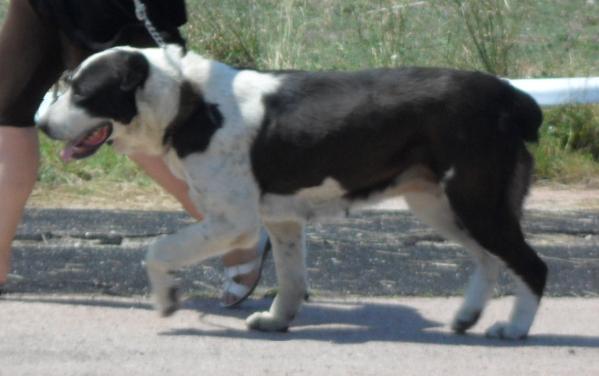
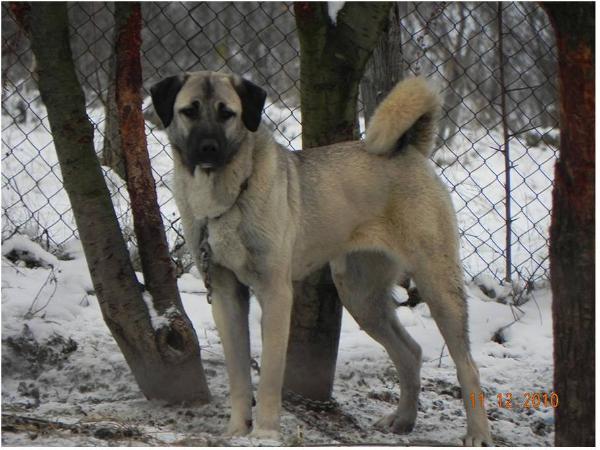
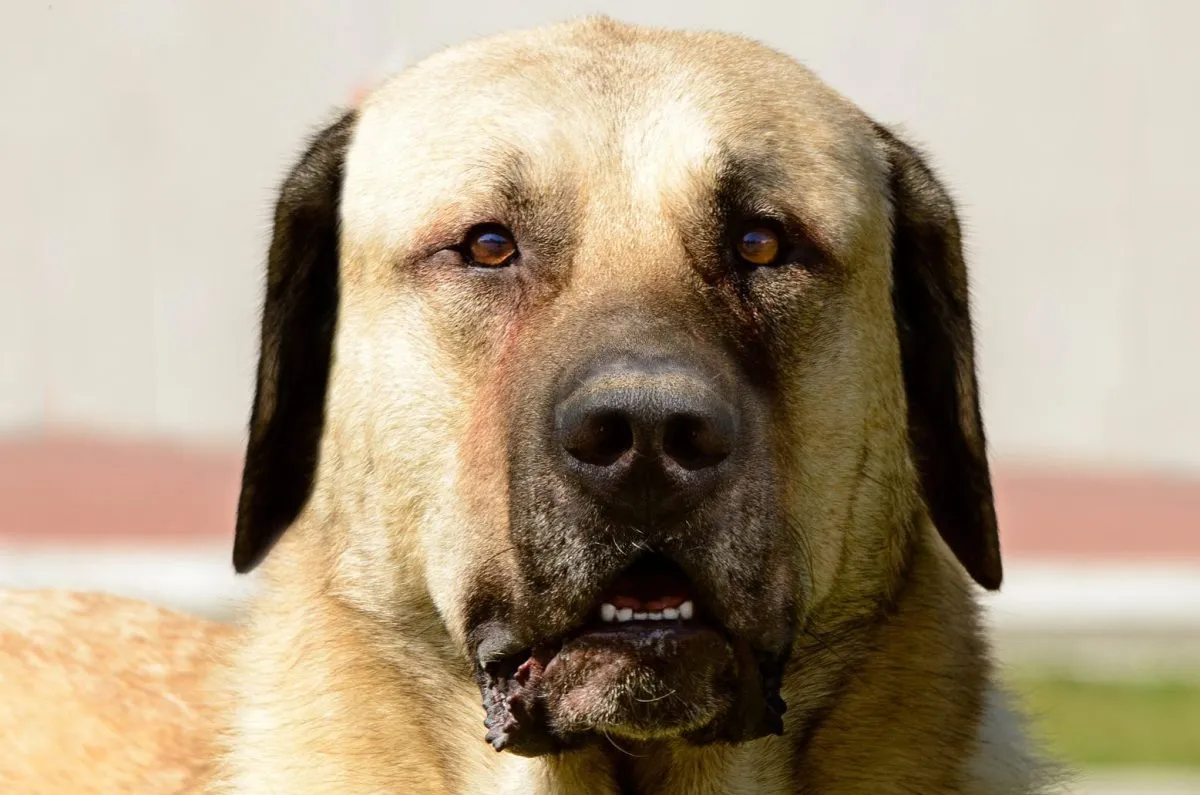
Always a solid pale tan or fawn with a distinctive black mask on the face. White markings on the chest or toes may occur but are minimal.
Size:
• Height: 28–34 inches (71–86 cm)
• Weight: 90–145 lbs (41–66 kg), with males generally larger than females.
Head & Expression: Large, broad head with a slight stop and intelligent, steady eyes.
Ears: Medium-sized, triangular, and drop down close to the cheeks.
Tail: Long and curled upward, especially when alert.
Body: Deep-chested, muscular, and athletic—a blend of power and agility.
The Kangal is known for its calm, serious demeanor and protective instincts. While affectionate and gentle with family, it is instinctively wary of strangers and territorial by nature.
Natural Guardian: Bred to work independently protecting flocks—always alert and courageous.
Loyal and Devoted: Forms strong bonds with family members, especially children.
Calm and Thoughtful: Doesn’t react without reason—calculates threats and stays composed.
Independent Worker: Can make decisions on its own—less eager to please, more utilitarian.
Protective and Territorial: Needs early socialization to moderate its strong guarding instincts.
If you live in a rural area or are in need of a reliable livestock guardian, the Kangal excels. It’s not a breed for first-time owners or apartment dwellers but is unmatched in its loyalty and courage.
True Guardian: Exceptional protector of livestock, property, and family.
Gentle Giant: Surprisingly tolerant and calm with known people, especially children.
Low-Maintenance Coat: Easy to groom despite outdoor working lifestyle.
Intelligent and Observant: Constantly monitors surroundings—won’t bark without cause.
Respected Globally: Valued by shepherds worldwide for its dependable nature.
This breed requires space, structure, and a confident owner who respects its nature.
Training:
• Early obedience and socialization are critical.
• Needs consistent, calm leadership—responds poorly to harsh corrections.
• May be slower to respond due to independence, not lack of intelligence.
Exercise:
• Moderate daily activity like walking, guarding property, or patrolling open land.
• Does best with purpose-driven work or secure rural space.
Grooming:
• Low-maintenance—weekly brushing is sufficient.
• Sheds seasonally; heavier grooming needed during these times.
Nutrition:
• High-quality diet suited to large, active breeds.
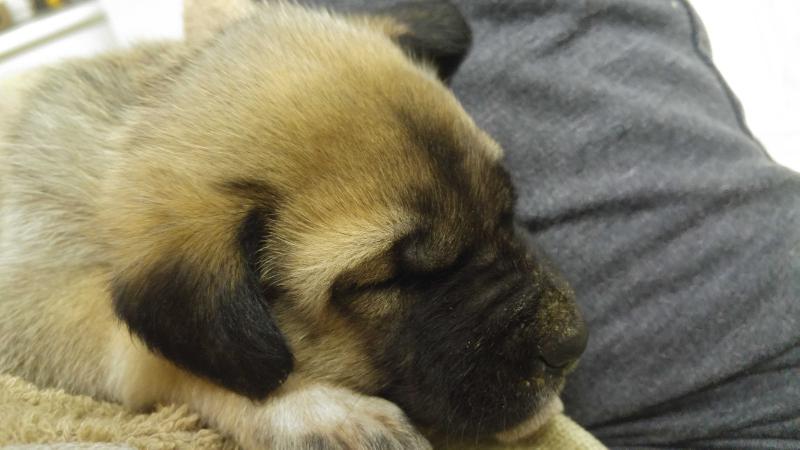
• Monitor growth in puppies to avoid joint issues—slow, steady growth is ideal.
Companionship:
• Does best in a working or rural environment where it has a job.
• Not a dog for urban life or frequent social outings.
Kangals are generally robust and long-lived for their size, with a lifespan of 12–15 years. Known health concerns include:
• Hip dysplasia
• Entropion (eyelid issues)
• Bloat (gastric torsion)
• Joint stress from rapid growth
Reputable breeders screen for structural and eye conditions to maintain the breed’s legendary soundness.
Compared to the Anatolian Shepherd Dog, the Kangal is typically more uniform in appearance and temperament, being exclusively pale fawn with a black mask. It is gentler and more people-oriented than the Caucasian Shepherd, and more reserved and protective than the Great Pyrenees. Among livestock guardians, the Kangal is famed for striking the perfect balance between watchfulness and calm.
If you need a reliable working partner or live rurally with livestock to protect, the Kangal is likely one of the best guardians available. But it’s not well-suited for urban life or casual pet ownership.
Not ideal for apartments, first-time dog owners, or homes without secure outdoor space.
United Pet Club supports responsible ownership of working breeds like the Kangal. Whether you're looking for a trustworthy livestock guardian or a rural home protector, we offer resources, breeder connections, and expert advice to help you welcome this noble protector into your life.