

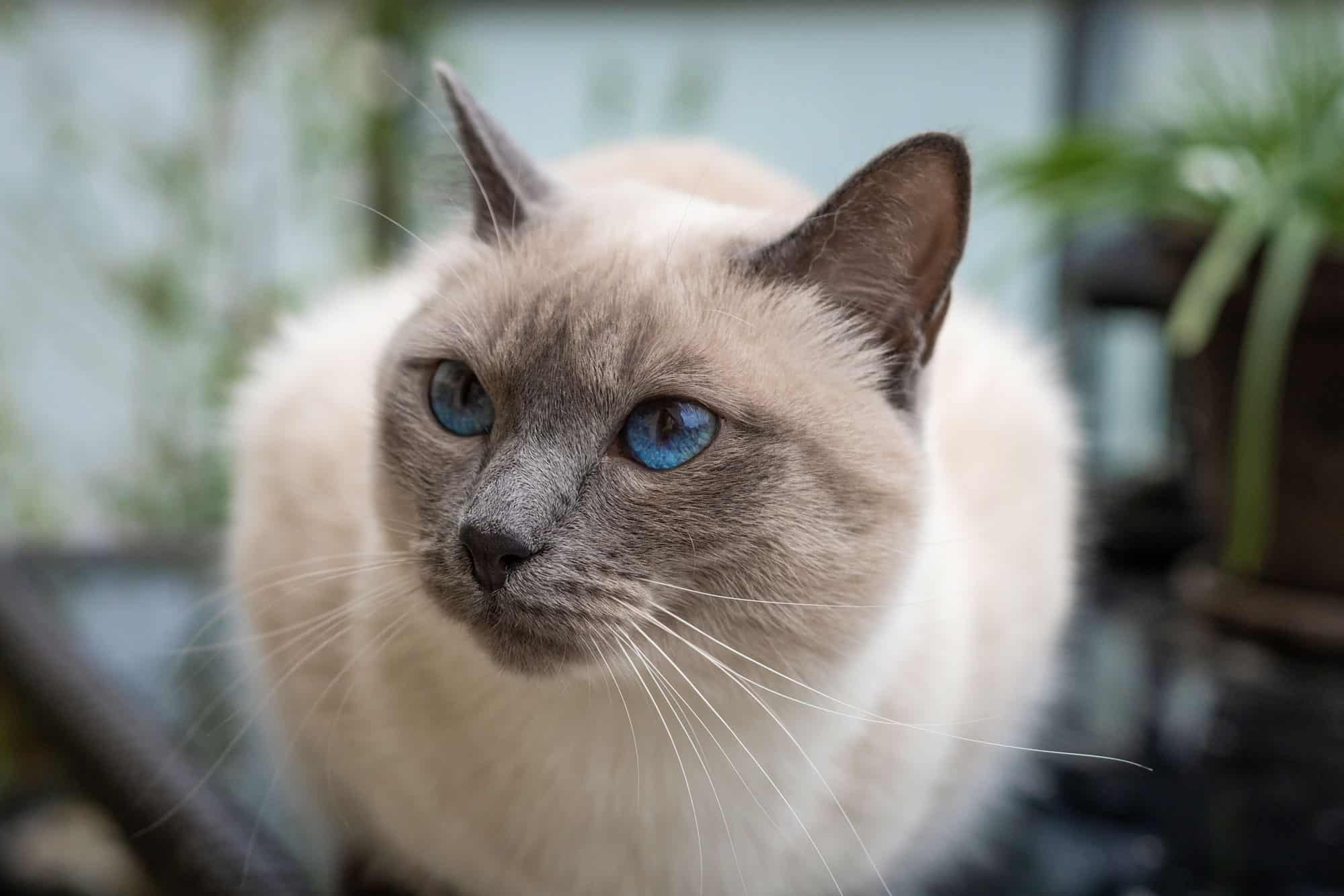
The Thai Cat, also known as the Traditional Siamese, Classic Siamese, or Wichien Maat, is the original form of the Siamese cat. This breed has been depicted in ancient Thai manuscripts dating back to the 14th century, including the famous Tamra Maew (The Cat Book Poems).
Unlike the Modern Siamese, which was selectively bred for a more elongated body and wedge-shaped head, the Thai cat retains its historical, rounded features and moderate build. It was officially recognized as a distinct breed in the 1990s by organizations like The International Cat Association (TICA).
The Thai cat is highly revered in Thailand, where it is considered a symbol of good fortune and protection. It has also gained popularity in Europe and North America, especially among cat lovers who prefer the classic Siamese look with a less extreme body shape.
The Thai Cat is a medium-sized, athletic cat with a rounded head and striking blue eyes.
• Coat: Short, smooth, and silky with a close-lying texture.
• Colors: Always pointed, with shades including:
o Seal Point (dark brown points)
o Blue Point (grayish-blue points)
o Chocolate Point (warm brown points)
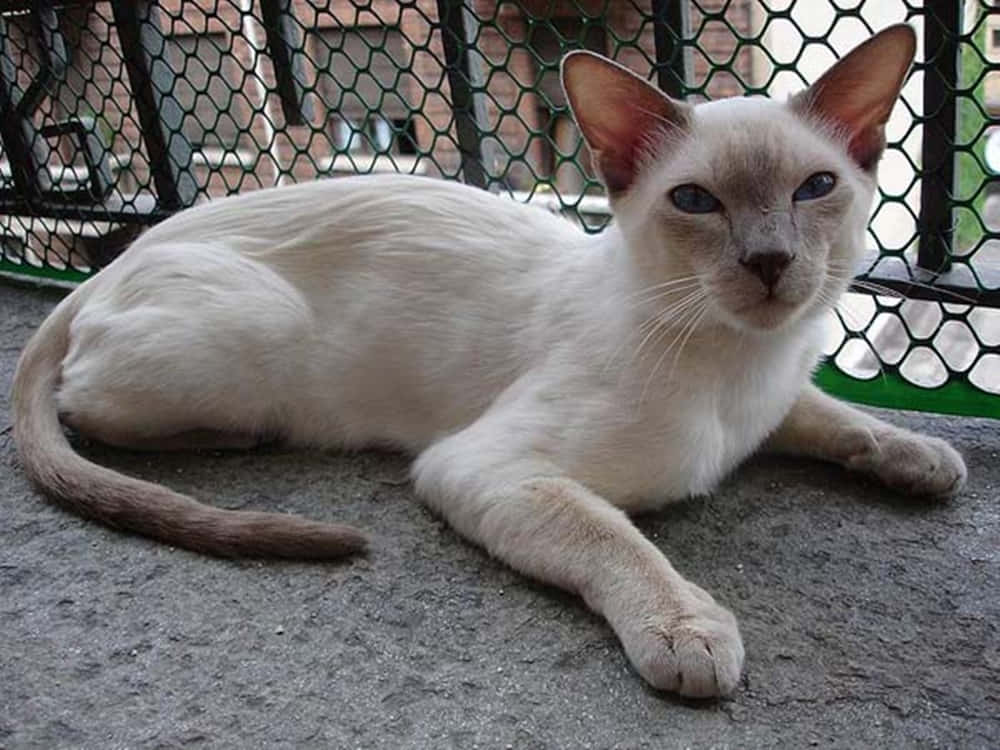
o Lilac Point (soft pinkish-gray points)
• Size: Medium-sized, weighing between 8 to 12 pounds.
• Head & Expression: Rounded head with large, expressive almond-shaped deep blue eyes.
• Ears: Medium to large, slightly rounded at the tips.
• Tail: Long and proportionate to the body, often tapering to a fine point.
• Body: Muscular but sleek, with a graceful yet sturdy build.
The Thai cat is known for its intelligence, affectionate nature, and vocal personality, making it a highly interactive and loving companion.
• Highly Social and Affectionate: Loves cuddling and spending time with its family.
• Playful and Energetic: Enjoys chasing toys, climbing, and exploring.
• Extremely Intelligent: Can learn tricks, open doors, and even respond to commands.
• Vocal and Expressive: Communicates with distinctive, melodic meows.
• Loyal and People-Oriented: Forms strong bonds with its owners and follows them around.
For those looking for a social, intelligent, and affectionate feline companion, the Thai cat is an excellent choice.
• Perfect for Families: Friendly with children, other cats, and even dogs.
• Highly Loyal and Loving: Forms deep emotional connections with its owner.
• Beautiful and Elegant: One of the most striking blue-eyed breeds.
• Easy to Groom: Short coat requires minimal maintenance.
• Great for Active Homes: Enjoys engaging with people and playing interactive games.
The Thai cat requires daily interaction, a nutritious diet, and plenty of playtime to stay happy and healthy.
• Grooming: Minimal grooming—weekly brushing is enough.
• Exercise: Needs daily play sessions with interactive toys and climbing structures.
• Mental Stimulation: Thrives on puzzle toys, training, and social play.
• Nutrition: A high-protein diet supports their muscular build and energy levels.
• Companionship: Prefers a home with regular human interaction and does not like being left alone for long periods.
The Thai cat is generally a healthy breed, but due to its genetics, some concerns include:
• Progressive Retinal Atrophy (PRA): A genetic eye condition that can lead to vision problems.
• Respiratory Sensitivity: Some may have mild breathing issues due to their facial structure.
• Obesity Prevention: Regular exercise and portion control help maintain a healthy weight.
• Dental Health: Regular brushing and checkups help prevent plaque buildup and gum disease.
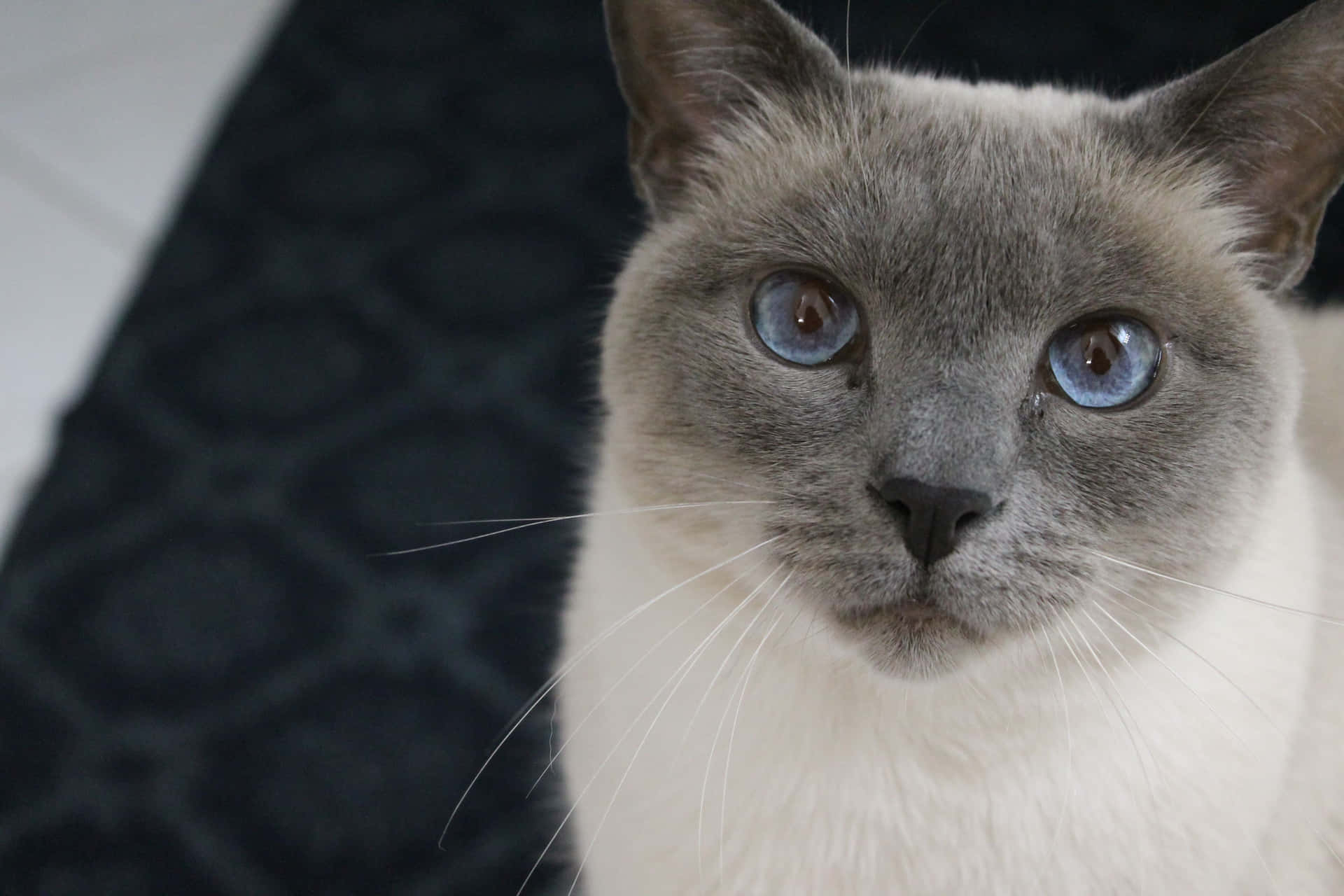
Compared to the Modern Siamese, which has a long, wedge-shaped head and slender body, the Thai cat has a rounder face and a more balanced, moderate body type. Unlike the Oriental Shorthair, which comes in many colors, the Thai cat is always pointed.
Compared to the Tonkinese, which is a mix of Siamese and Burmese, the Thai cat has a more distinct color-pointed coat and a louder, more talkative nature.
The Thai cat is perfect for cat lovers who want an intelligent, social, and affectionate companion. If you enjoy an interactive, playful cat that thrives on attention and loves to communicate, the Thai cat will be a wonderful choice.
However, if you prefer a quiet, independent cat, this breed may demand more attention than expected.
United Pet Club is here to help you find the perfect Thai Cat companion. Whether you're looking to adopt or connect with trusted breeders, we provide valuable resources to guide you every step of the way.
Explore our platform to learn more about Thai Cats, their history, and how to care for them. Contact United Pet Club today to start your journey with this intelligent and affectionate feline!