

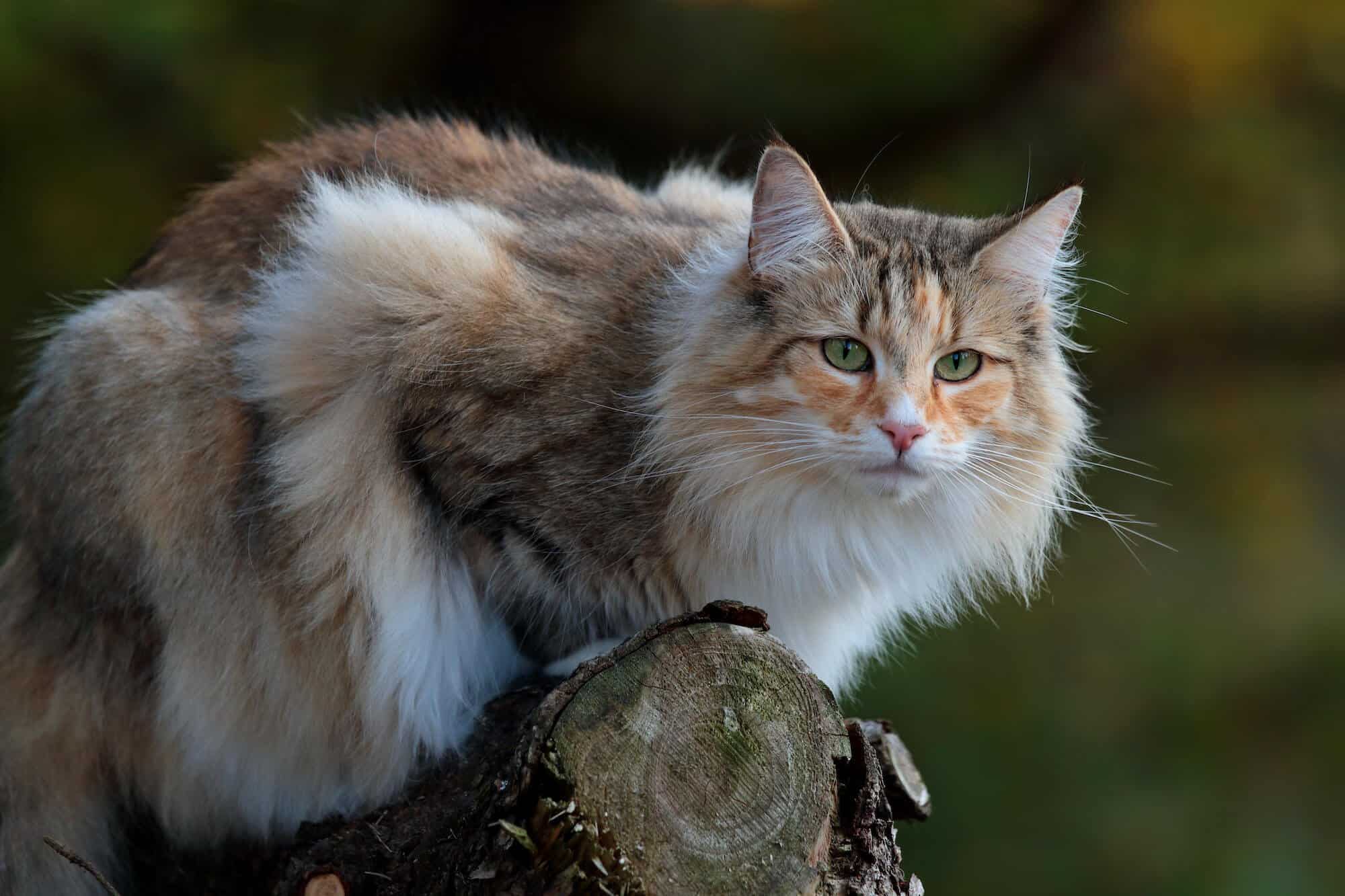
The Norwegian Forest Cat (or Wegie, as it’s affectionately called) is a natural breed that originated in Norway over 1,000 years ago. It is believed to have descended from long-haired cats brought by Vikings from the Middle East, which adapted to Norway’s harsh climate over centuries.
These cats were prized for their hunting abilities and were commonly found on Norwegian farms and Viking ships, where they controlled rodent populations. Their thick, water-resistant fur helped them survive the freezing Nordic winters, making them one of the most resilient cat breeds in the world.
The breed was officially recognized in Norway in the 1930s but nearly went extinct during World War II. A dedicated breeding program helped revive the breed, and it was later recognized internationally by The International Cat Association (TICA) and the Cat Fanciers’ Association (CFA) in the 1970s and 1980s.
The Norwegian Forest Cat is one of the most popular breeds in Scandinavia and has gained global popularity due to its majestic appearance, affectionate nature, and independent spirit.
The Norwegian Forest Cat is a large, muscular cat with a thick double coat and an elegant yet wild appearance.
• Coat: Long, dense, and water-resistant, with a thick undercoat that protects against cold.
• Colors: Found in a variety of colors and patterns, including tabby, solid, bi-color, and tortoiseshell.
• Size: Large and muscular, weighing between 12 to 18 pounds (males) and 8 to 12 pounds (females).
• Head & Expression: Triangular-shaped head with large, expressive almond-shaped green, gold, or blue eyes.
• Ears: Medium to large, pointed with lynx-like tufts of fur.
• Tail: Long, bushy, and well-furred, often carried like a plume.
• Body: Sturdy and well-muscled, with long legs and strong claws adapted for climbing.
The Norwegian Forest Cat is known for its intelligent, independent, and affectionate personality, making it a perfect blend of wild and gentle traits.
• Affectionate but Independent: Enjoys spending time with family but does not demand constant attention.
• Highly Intelligent: Learns tricks, loves puzzle toys, and enjoys interactive play.
• Natural Climber: Loves high perches and cat trees due to its strong, agile build.
• Playful and Energetic: Enjoys chasing, exploring, and engaging in hunting-style games.
• Social but Reserved with Strangers: Forms strong bonds with its family but may be cautious around new people.
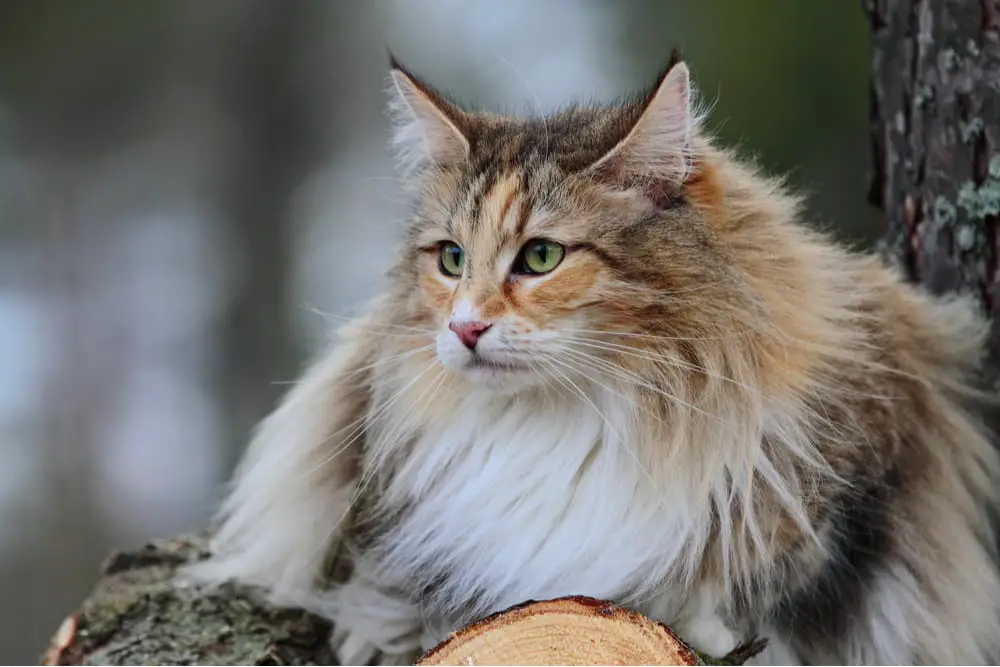
For those looking for a majestic, intelligent, and self-sufficient cat, the Norwegian Forest Cat is an excellent choice.
• Perfect for Active Households: Loves climbing, playing, and exploring.
• Low-Maintenance Personality: Affectionate but not overly needy.
• Great for Families: Gets along well with children, other cats, and even dogs.
• Thick, Luxurious Coat: A truly stunning cat with a wild, Nordic appearance.
• Highly Adaptable: Thrives in both indoor and outdoor environments.
The Norwegian Forest Cat requires regular grooming, exercise, and a nutritious diet to stay healthy and happy.
• Grooming: Due to their long coat, weekly brushing is essential to prevent tangles and mats.
• Exercise: Needs daily playtime and access to climbing areas.
• Mental Stimulation: Enjoys puzzle feeders, training exercises, and outdoor adventures.
• Nutrition: A high-protein diet supports their muscular build and thick coat.
• Companionship: While independent, they thrive in homes where they receive love and interaction.
The Norwegian Forest Cat is generally a robust and healthy breed, but some concerns include:
• Hip Dysplasia: Common in large cat breeds, affecting mobility over time.
• Hypertrophic Cardiomyopathy (HCM): A genetic heart condition that should be monitored in breeding programs.
• Glycogen Storage Disease (GSD IV): A rare genetic disorder found in some Norwegian Forest Cats.
• Obesity Prevention: Needs regular exercise and portion-controlled meals to maintain a healthy weight.
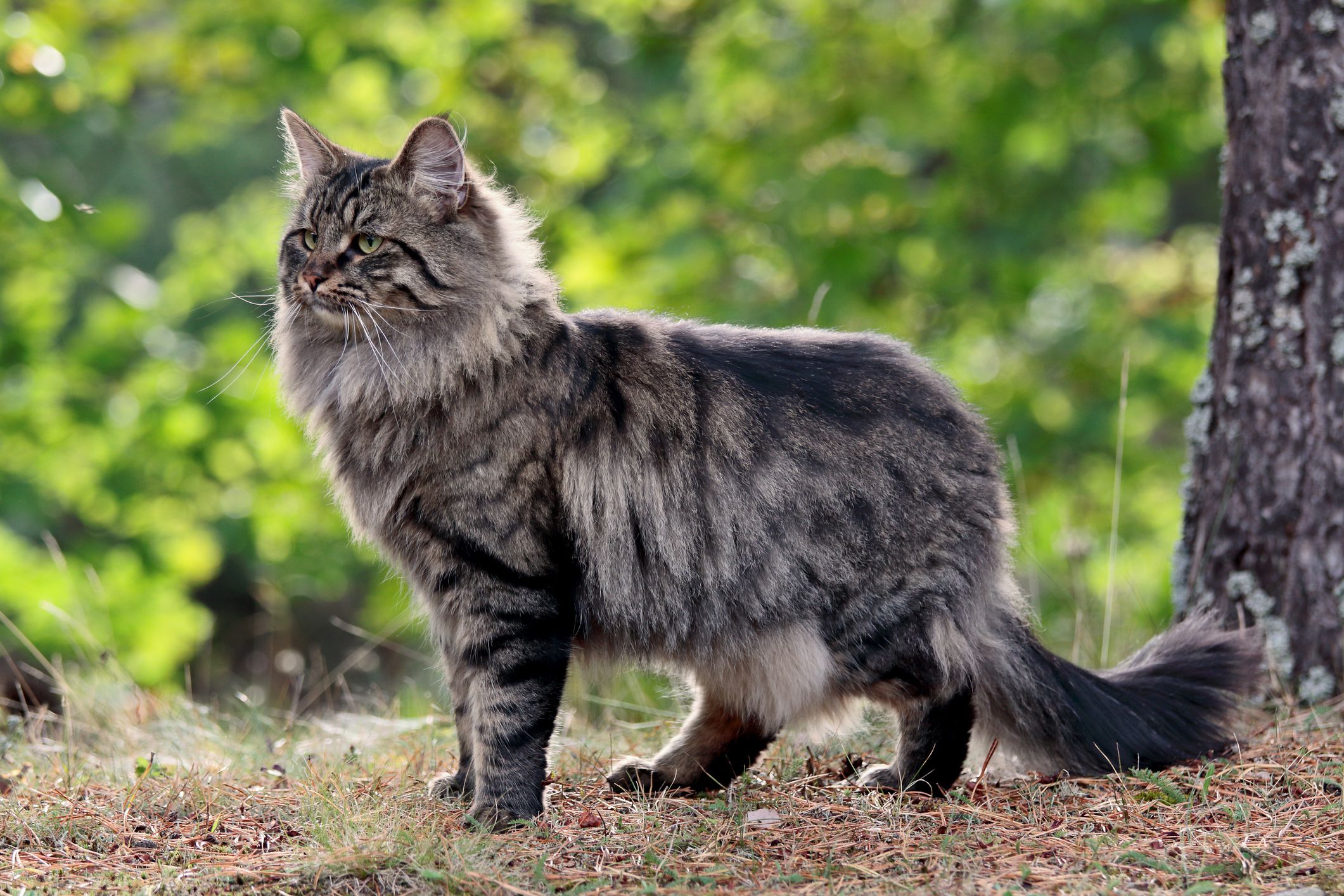
Compared to the Maine Coon, the Norwegian Forest Cat has a more triangular head and a woollier, water-resistant coat, whereas the Maine Coon has a softer, silkier coat. Unlike the Siberian Cat, which is also a Nordic breed, the Norwegian Forest Cat has longer legs and a leaner build.
Compared to the Ragdoll, which is also large and affectionate, the Norwegian Forest Cat is more independent and prefers climbing rather than being a lap cat.
The Norwegian Forest Cat is perfect for individuals and families who want a majestic, independent, and intelligent cat. If you enjoy interactive play, outdoor adventures, and having a cat that is both affectionate and self-sufficient, the Norwegian Forest Cat will be a wonderful choice.
However, if you prefer a low-energy or lap-cat breed, this breed may not be the best fit.
United Pet Club is here to help you find the perfect Norwegian Forest Cat companion. Whether you're looking to adopt or connect with trusted breeders, we provide valuable resources to guide you every step of the way.
Explore our platform to learn more about Norwegian Forest Cats, their history, and how to care for them. Contact United Pet Club today to start your journey with this majestic and affectionate feline!